Luxembourg · 16 visas
EU and non-EU residence routes, explained from Guichet.lu and official sources.
Visas covered
16
News items
0
Generic view. Choose a visa, or start an application to personalise.
Steps are specific to each visa — choose one to see its step-by-step process.
Why Luxembourg
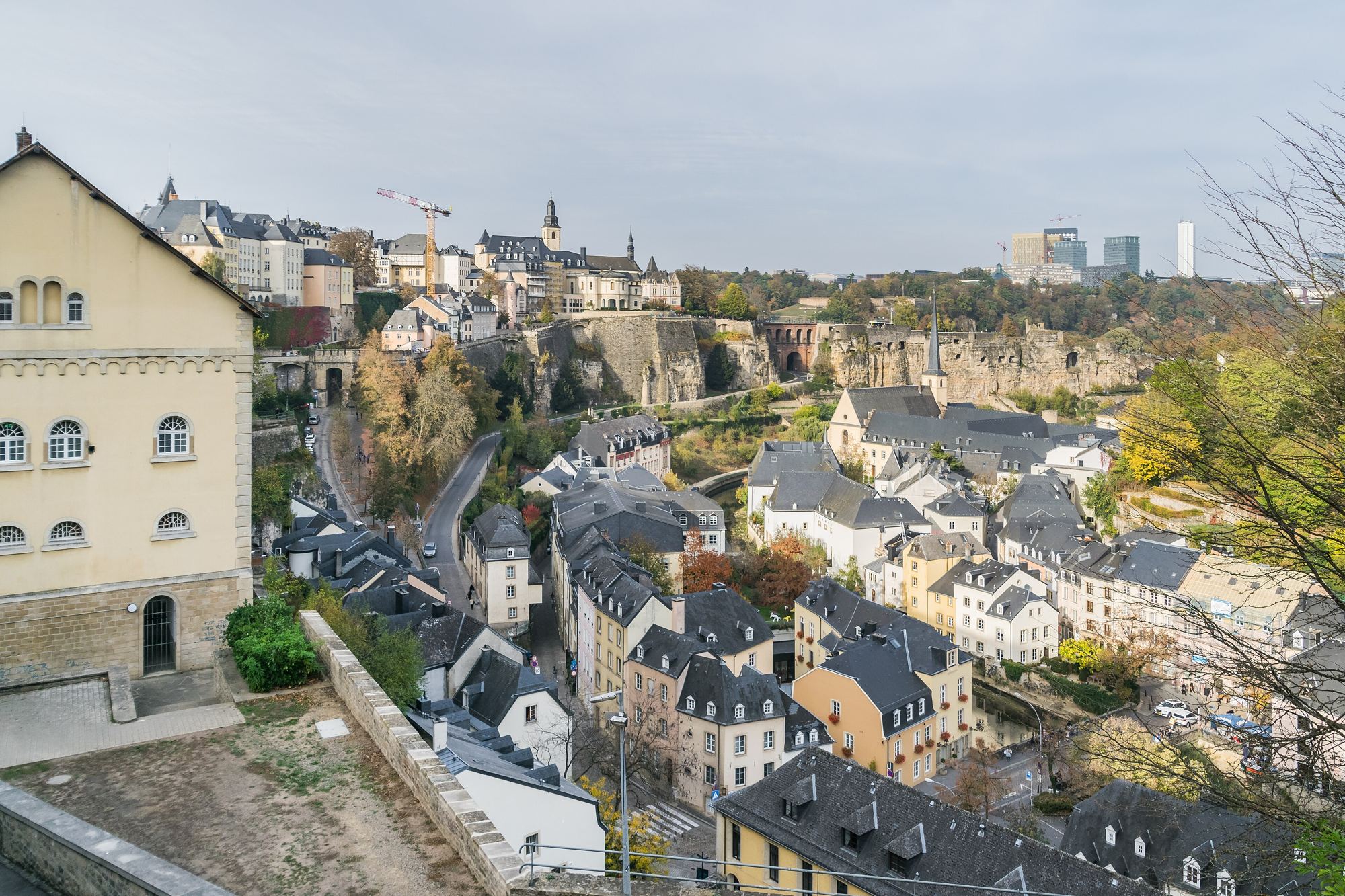
A glimpse of Luxembourg
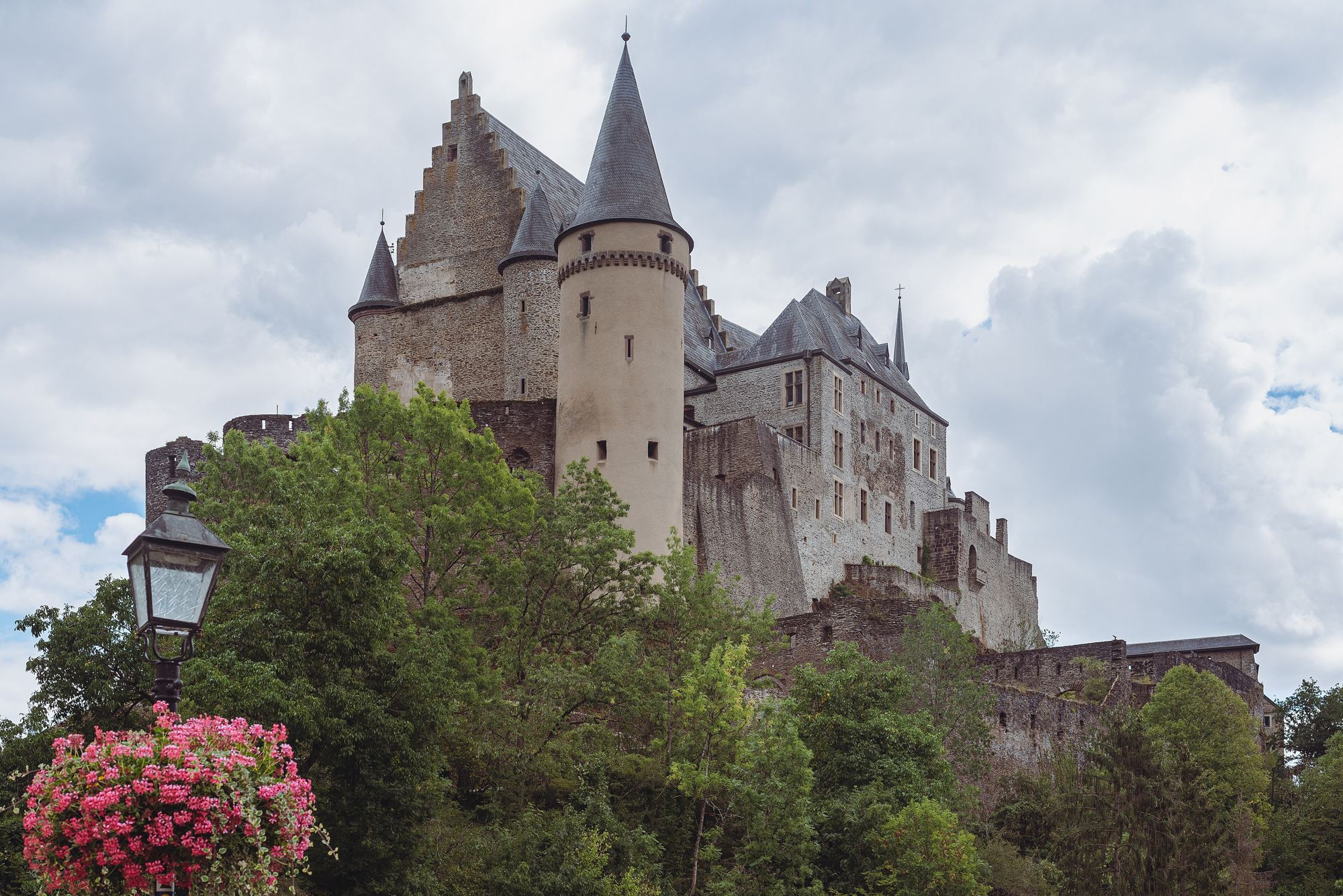
Vianden
Vianden Castle, Our valley
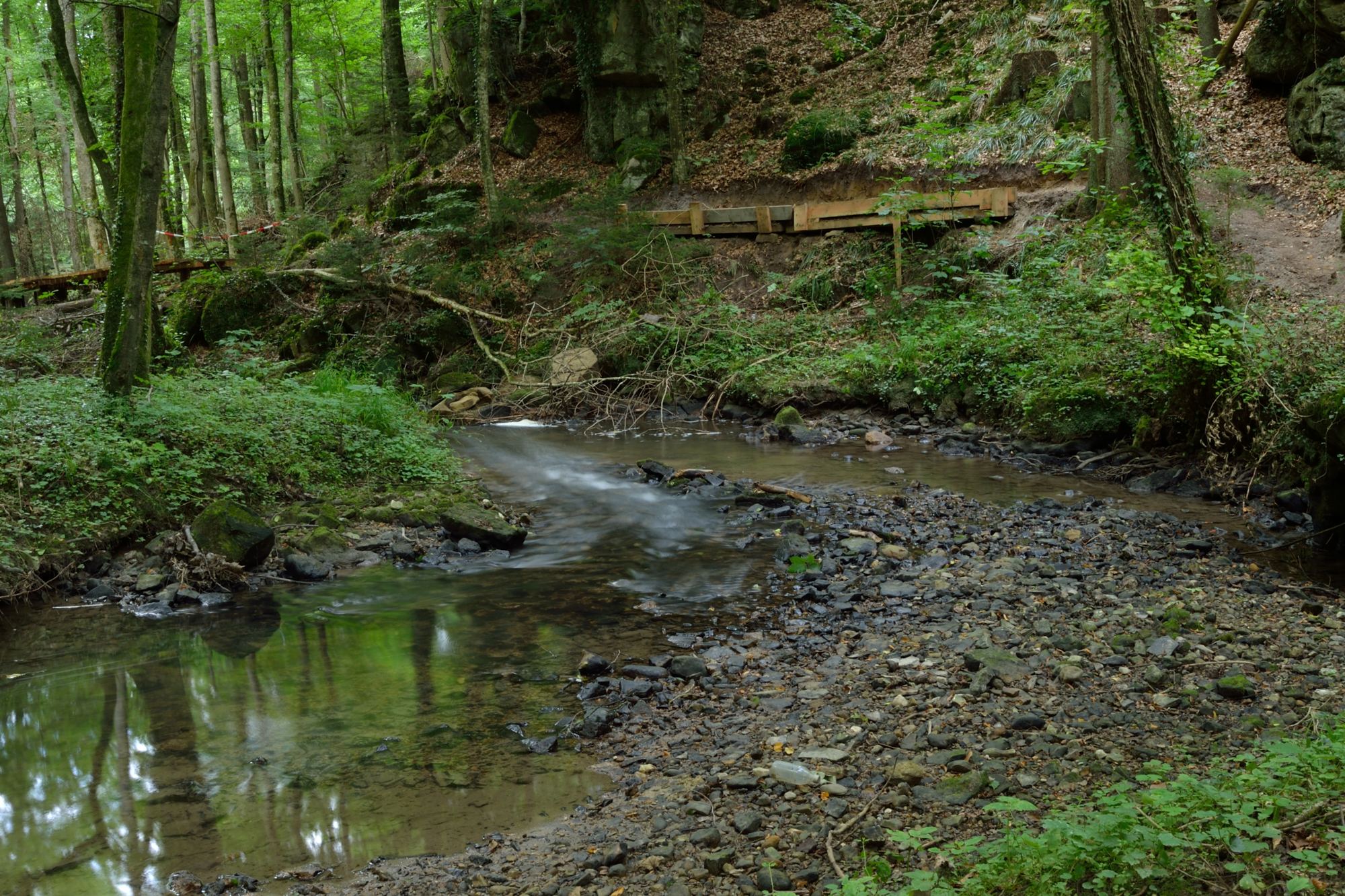
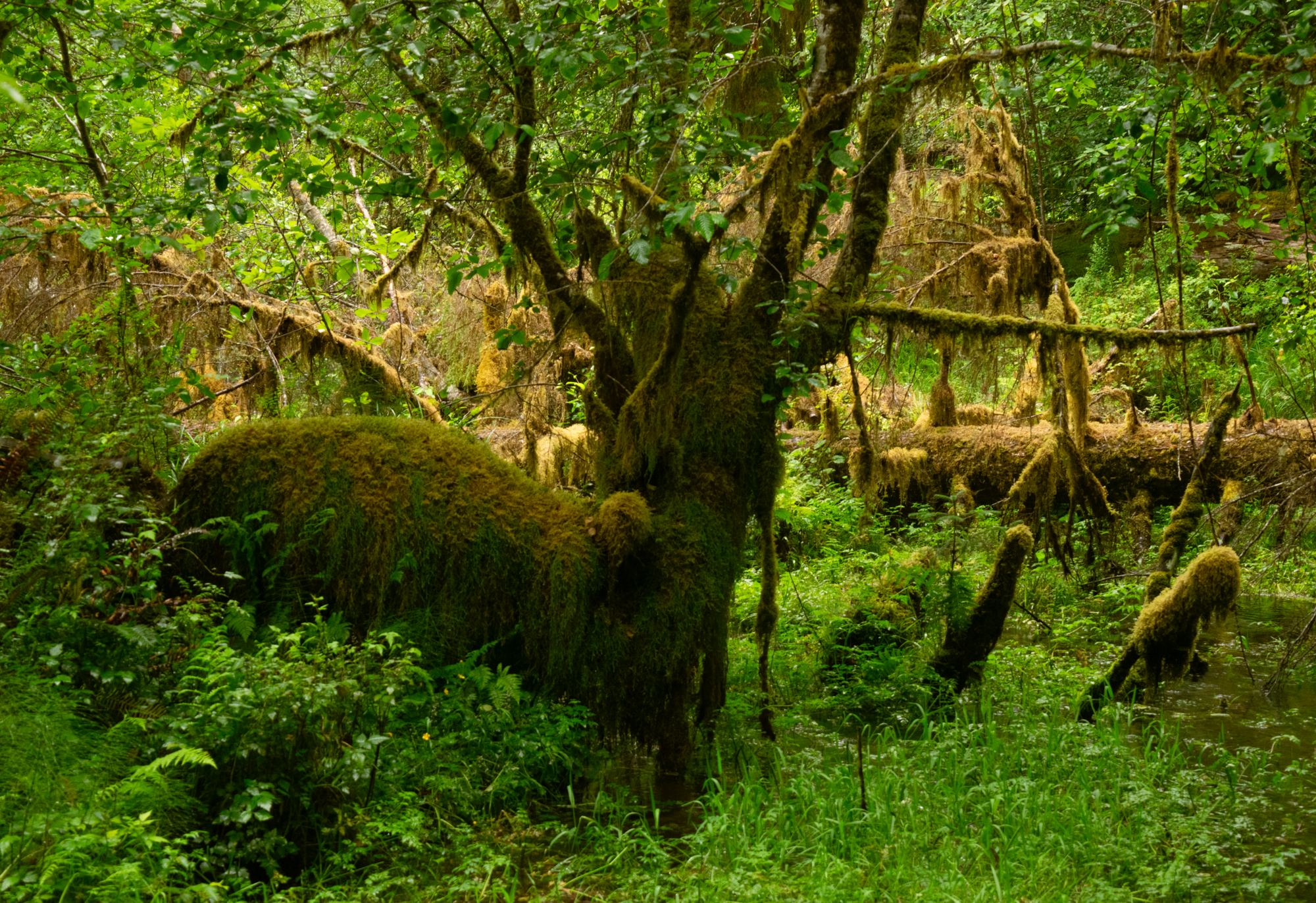
Mullerthal
Forest stream, Mullerthal region
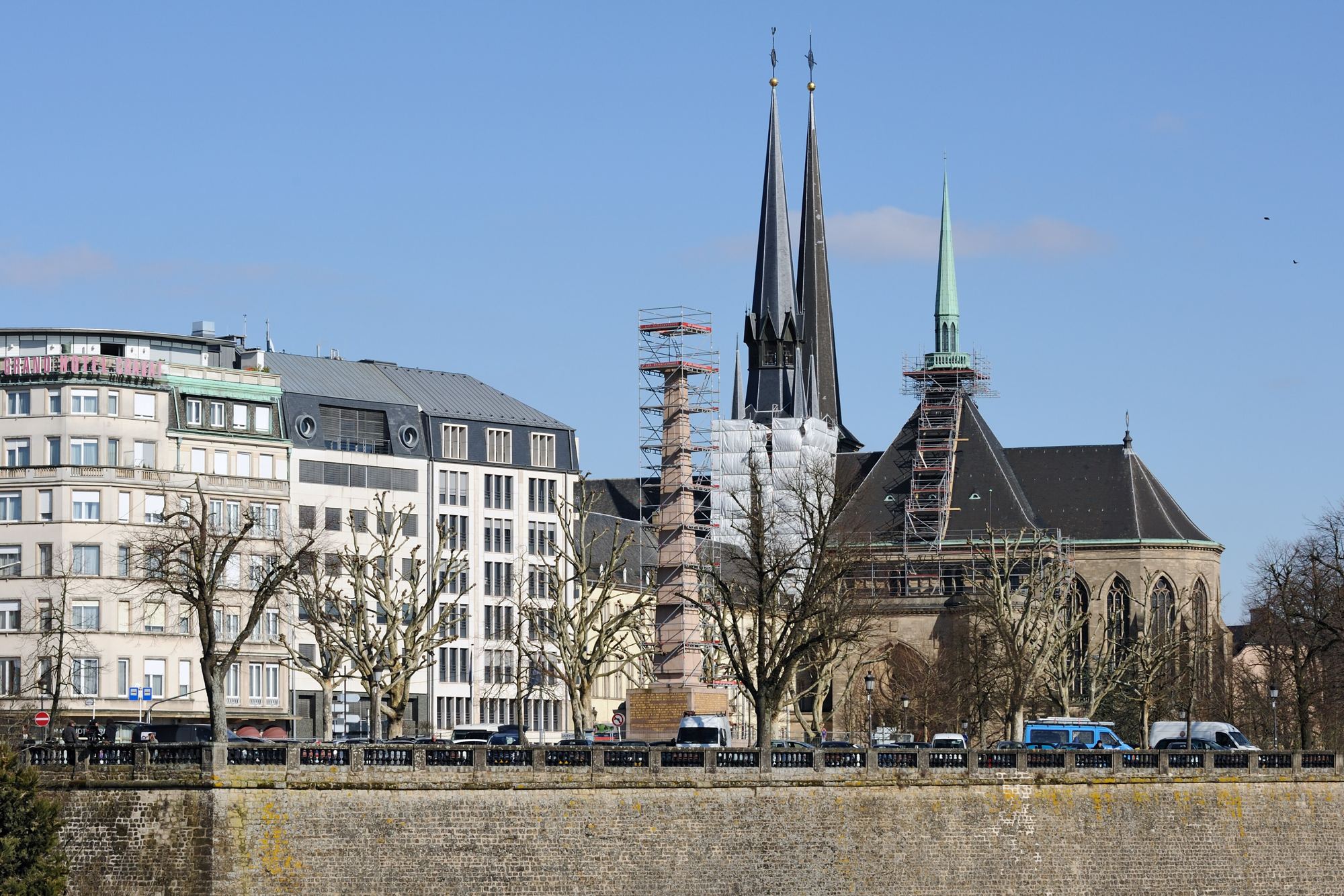
Old town
Notre-Dame Cathedral and the old town, Luxembourg City
Did you know?
Discover Luxembourg
geography
Luxembourg is a landlocked country in Western Europe, bordered by Belgium, France, and Germany.
geography
Luxembourg is one of the few sovereign states that is also a Grand Duchy, ruled by a Grand Duke.
geography
The country's name comes from Lucilinburhuc, a Frankish term meaning 'little castle'.
- Luxembourg City sits on rocky cliffs and deep gorges carved by the Alzette and Pétrusse rivers.
- The Moselle river forms part of Luxembourg's eastern border with Germany.
- The Ösling is the northern highland region of Luxembourg, part of the Ardennes massif.
- The Gutland is the southern lowland region of Luxembourg, which covers most of the country's central and southern area.
- Luxembourg's highest point is Kneiff, near Wilwerwiltz in the north of the country.
- The Mullerthal, sometimes called Little Switzerland, is a region of sandstone rock formations and forested trails.
- The Mullerthal Trail is a long-distance hiking route through sandstone gorges in eastern Luxembourg.
- Luxembourg has large areas of deciduous forest, and forests cover roughly a third of the country's land.
- The Our river forms much of the border between Luxembourg and Belgium in the north.
- Vianden Castle stands above the town of Vianden and overlooks the Our valley.
- The Upper Sure Lake, a reservoir in the Ardennes, is a popular destination for water sports and hiking.
- Luxembourg has a temperate oceanic climate, with mild summers and cool, moderately wet winters.
Ask the guide
Questions, answered from official sources.
Answers cite the official government page they come from. Try asking: